
AML Self-Management
Handling more AML alerts without growing your team is now possible
Discover how financial institutions are using self-service models integrated with digital channels to reduce service times, optimize resources, and strengthen regulatory compliance.
AML pressure has already surpassed traditional models

More alerts
The growth of digital transactions and channels has increased the volume of AML alerts, demanding greater attention and response capacity.

More regulatory requirements
Financial institutions face stricter controls and shorter timeframes to justify alerts and demonstrate compliance.
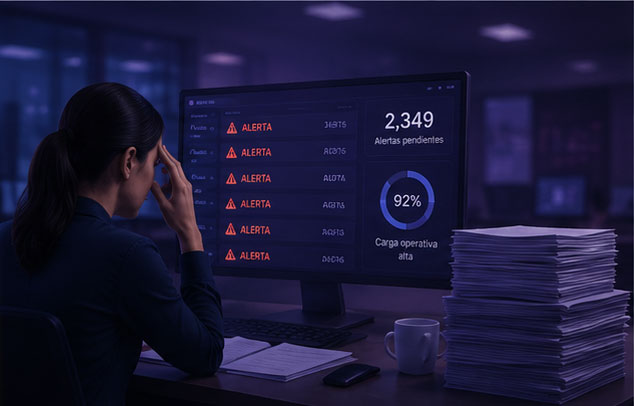
More operational saturation
Manual processes and increased alerts overload AML teams, driving up costs and impacting operational efficiency.
The challenge is no longer just detecting alerts. It's addressing them in time.

In this webinar you will discover:
During this session we will analyze:
- What AML self-management is and how it works
- How to reduce operational workload without affecting compliance
- How to improve alert response times
- What the «happy path» is within the AML process
- How to integrate it with existing digital channels
- A real-world banking implementation case study
Speakers

Elias Cascante Villalobos
Costa Rican professional specializing in business development and strategies for preventing financial crime. He serves as a director in this field, collaborating with organizations in the financial sector to strengthen compliance and risk management systems against economic crimes.

Alejandro Xavier Andrade (Guest Speaker)
He is an economist with a master’s degree in finance and over 18 years of experience in Ecuadorian banking. A specialist in fraud prevention, compliance, and data analytics, he currently leads comprehensive security and fraud prevention strategies at Banco Guayaquil.
The AML transformation has already begun
Learn how to implement self-management models that allow you to scale AML monitoring without increasing the operational load.